Dress Material Details
Style, cut, texture, drape, and season are all-important factors in
determining the best fabric for a wedding gown. The same style dress can
look and feel quite different in a variety of fabrics, since each
material is designed to produce a distinct effect. Some fabrics cling to
the body, while others stand away. Some are cherished for their
crispness, others for being light-as-air. Silk -- a natural fiber that
exudes an innate quality of refinement -- is undoubtedly the most
sought-after and cherished wedding dress material, noted for its
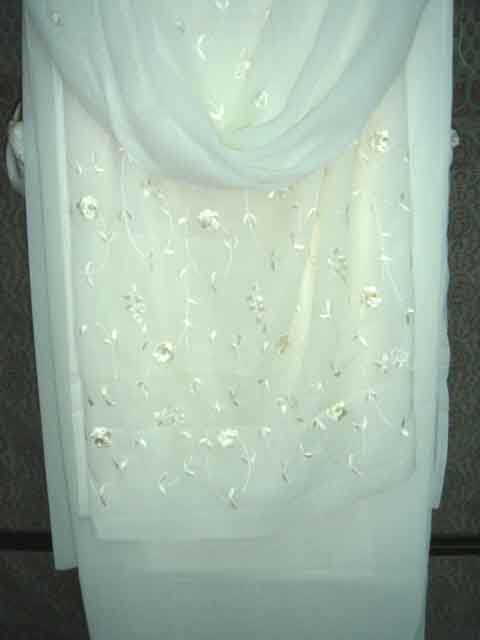
resiliency, elasticity, and strength.Silk threads are woven to create various fabrics, including satin, a densely-woven silk notable for its super-lustrous gloss; duchesse satin, a blend of silk and rayon that is lighter and more affordable than pure silk satin; charmeuse, a lightweight silk satin with a more subdued luster; and shantung, a low-sheen textured silk characterized by a rough, nubby quality. Then there are the gauzier, textured silks like chiffon, tulle, and organza -- all used in multiple layers for gown skirts since they are transparent, but lightweight.
Dress Material

Dress Material

Dress Material

Dress Material

Dress Material

Dress Material

Dress Material

Dress Material

Dress Material

Dress Material

Dress Material
Dress Material
Dress Material

Dress Material

Dress Material

Dress Material

Dress Material
Dress Material

Dress Material

Dress Material

